Innovative Patient Transfer Beds
Transform Your Bedroom With Innovative Adjustable Beds
Adjustable beds are receiving attention for their capacity to improve sleep quality and comfort. These flexible configurations allow users to elevate their heads or legs, tackling typical problems such as snoring and acid reflux. With characteristics like wireless remotes and integrated massage features, they serve diverse needs. As the demand for customized sleep options increases, understanding the specifics of adjustable beds becomes crucial to making an well-informed choice about one's sleep environment.
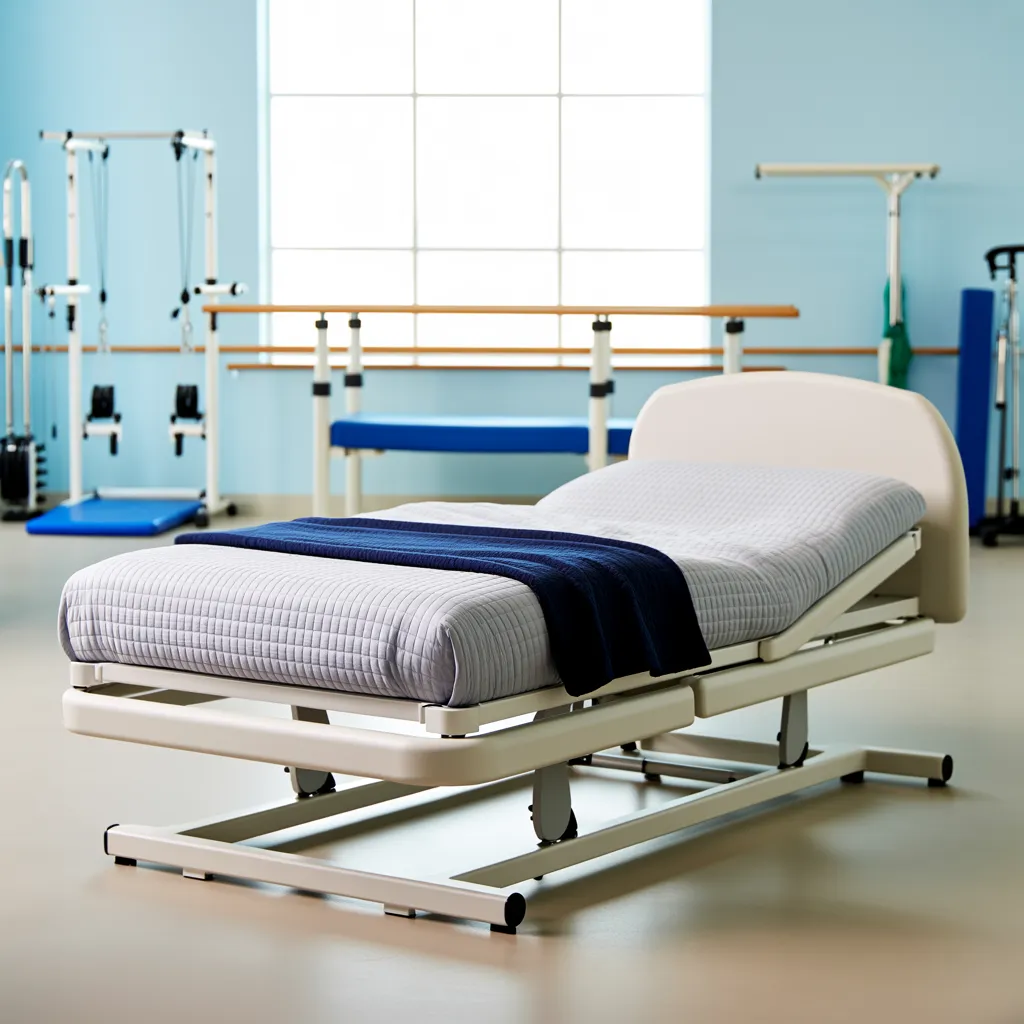
Ways Adaptable Beds Boost Sleep Quality
While numerous people struggle with sleep quality, beds that adjust provide a encouraging solution. These beds enable users to customize their positions while sleeping, which can reduce pain and promote improved sleep. By raising the head or legs, adjustable beds can minimize issues such as sleep disturbances, heartburn, and sleep apnea, leading to continuous sleep patterns.
Moreover, the ability evidence to locate a customized position can enhance spine alignment, reducing back pain for many individuals. The ergonomic support provided by adjustable beds promotes a more peaceful sleep, as users can find the ideal angle that matches their preferences.
In addition, these beds can support calm, making it more effortless for individuals to decompress before bedtime. Overall, adjustable beds cater to various sleep needs, greatly improving the overall rest quality and quality, ultimately contributing to superior wellness and quality of life.
Vital Qualities to Find in Adjustable Beds
Adjustable beds supply a wide variety of features that enhance their usability and quality of life. One vital element is the array of angles offered for personalization, allowing individuals to adjust their feet or head for optimal ease. Remote controls that are wireless are crucial, offering effortless alterations without leaving the bed.
An essential component is the bed's weight capacity, which ensures it can handle various body types. Additionally, some models include built-in massage functions, delivering relaxation and stress relief. Compatibility with different mattress types is important, allowing users to opt for their preferred comfort level.
Furthermore, evaluate the existence of protective features such as self-return and impact prevention technology. Finally, the coverage and customer support possibilities should not be overlooked, since they show the manufacturer's belief in the longevity of the product. These features combine to improve an enhanced sleeping experience and enhanced overall happiness.
Maximizing Well-being Using Adaptable Beds
Often, individuals experience significant enhancements in ease when utilizing beds that adjust. These beds enable users to customize their sleeping position, catering to personal preferences and specific needs. By elevating the head or foot sections, sleepers can alleviate pressure on the spine and joints, encouraging better alignment and decreasing discomfort.
In addition, beds that adjust can be highly beneficial for people with specific health conditions, such as acid reflux or sleep apnea. Lifting the upper body can help in reducing symptoms, while raising the legs may enhance blood flow and alleviate edema.
The range of uses of beds that adjust also reaches to their capacity to accommodate various activities. Whether enjoying a book, watching television, or completing work from bed, users can locate a posture that improves their overall enjoyment. Ultimately, the flexibility of beds that adjust contributes significantly to enhanced sleep quality and overall well-being.
Comparing Adjustable Bed Layouts and Its Benefits
Looking at the multiple configurations of adjustable beds reveals distinct benefits tailored to individual needs. The most standard varieties feature separate-zone adjustable beds, which allow partners to customize their side autonomously, enhancing comfort for both. Additionally, wall-hugger designs preserve proximity to nightstands while adjusting positions, rendering them useful in smaller spaces.
Additionally, some models include zero-gravity settings, which raise the head and legs, affording relief from pressure points and improving circulation. Other beds come equipped with massage functions, supplying relaxation and assisting with stress reduction.
Materials differ as well, with options ranging from memory foam to hybrid designs, meeting different preferences for firmness and support.
In conclusion, the preference of adjustable bed structure can considerably enhance sleep rest and overall vitality, making it essential for individuals to evaluate their specific requirements and personal circumstances when choosing the ideal option.
Guidelines for Setting Up Your Motorized Bed With Ease
Setting up an adjustable bed involves a few straightforward steps to assure proper functionality. First, unboxing and inspecting all components is essential for spotting any potential complications. Once verified, constructing the bed frame and linking the power and settings will complete the setup process efficiently.
Unbox and Inspect Components
Opening up an adjustable bed reveals an extensive range of components designed for uncomplicated installation and supreme comfort. Regularly, the shipment contains the bed frame, adjustable base, remote control, power supply, and varied components including linkage pieces and metal fasteners. All parts are carefully protected to prevent any harm throughout shipping.
During thorough review, it is important to establish that all elements are available and undamaged. Users should test the control device for proper function and verify that cables are in good condition. Moreover, assessing the base structure for any production issues is necessary. Thorough checking at this stage can save delays and frustration throughout the setup process. Once all items are verified, customers can advance with confidence to build their new adjustable bed frame.
Build The Bed Frame
To assemble the bed frame, begin by laying out all components in an orderly way, guaranteeing unhindered access during assembly. The frame consists of side rails, end rails, and support slats. First, connect the side rails to the head and footboards as per the instructions, securing each joint with the correct hardware. Next, place the support slats across the frame's width, making sure they are evenly spaced to provide maximum mattress support. Once fully assembled, test the frame's stability by gently shaking it. Adjustments may be performed if necessary to ensure a secure and sturdy setup. With the frame in place, the subsequent steps can continue smoothly.
Link Power And Preferences
To establish an superior experience with the motorized bed, connecting the power supply and configuring the settings is vital. First, identify the electrical cord and connect it to a neighboring outlet, guaranteeing it is firmly attached. Next, turn on the bed's control panel, often found on the side or foot of the bed frame. This unit usually features a remote control or a mobile app for user convenience. Users should then set the bed's settings, such as head and foot elevation, according to personal comfort preferences. It is advisable to check out additional settings, including preset positions or massage features. Finally, making sure that all connections are secure can prevent disruptions during use, enhancing overall satisfaction with the motorized bed experience.
Dispelling Myths About Adjustable Beds
Many false ideas encompass adjustable beds, especially concerning comfort and mobility benefits. Some think that these beds are inherently uncomfortable or that their advantages are restricted to those with mobility issues. Tackling these myths is vital to comprehending the true value of adjustable beds.
Adjustable Beds Are Uneasy
Adjustable beds often face criticism for being unpleasant, yet this perception is largely baseless. Many users report that these beds improve their sleeping experience by allowing for personalized positioning. The ability to elevate the head or feet can reduce strain on particular regions, promoting better circulation and reducing discomfort. Additionally, adjustable beds come with multiple mattress choices, including memory foam and latex, which address individual preferences for firmness and support. Many manufacturers also emphasize ergonomic design, ensuring that the bed shapes to the body's natural shape. As a result, adjustable beds can offer a degree of ease that traditional beds cannot provide, challenging the myth that they are inherently uncomfortable for sleep.
Limited Movement Benefits Only
While some might assume that adjustable beds only serve those with limited mobility, this assumption fails to see the numerous advantages they deliver to a broader array of users. Adjustable beds can boost ease for people without mobility issues by permitting tailored positioning that fosters peaceful rest and reduces strained areas. They are highly advantageous for those who contend with conditions like GERD or breathing disturbances, as elevating the upper body can enhance breathing and digestion. In addition, these beds can improve general sleep standards by supporting various sleeping positions. By challenging the myth that these beds are exclusively for the mobility-impaired, it is clear that they serve to all people seeking a more restful and personalized sleep experience.
Best Mattresses for Beds that Adjust
Selecting the ideal mattress for an flexible sleeping surface can greatly enhance comfort and stability. Memory foam mattresses are often suggested due to their ability to conform to the body's shape, delivering pressure relief and alignment. Furthermore, they typically perform well with adjustable bases, enabling smooth movement without compromising comfort.
Latex mattresses make another excellent choice, providing a responsive texture and durability. They provide a even support that can work with numerous body positions, creating them optimal for electric beds. Additionally, blended mattresses, which combine innerspring and latex and foam, deliver a adaptable choice. These mattresses offer the spring of traditional innerspring with the contouring benefits of foam.
Lastly, it's vital to consider thickness. Mattresses in the 10 to 14 inch range are typically ideal with adjustable frames, providing flexibility and support while remaining streamlined. Choosing the appropriate style can substantially boost the adjustable bed experience.
Frequently Inquired Questions
Are adjustable bed bases compatible with all mattress types?
Adjustable beds are generally suitable with different mattress types, including memory foam, latex, and hybrids. However, it's crucial to review specific manufacturer guidelines to ensure peak performance and support for each mattress design.
Do Flexible Sleep Systems Demand Unique Bedding or Accessories?
Adjustable beds typically do not need special bedding or accessories. However, using fitted sheets designed for adjustable bases can improve comfort and fit, guaranteeing the bedding accommodates the bed's motion efficiently and remains secure.
How Long Can Adjustable Bed Units Normally Last?
Adjustable beds generally last 10 to 20 years, subject to frequency of use and quality. With regular maintenance and proper care, their lifespan can be improved, maintaining continued comfort and functionality for users over time.
Will Customizable Beds Aid Specific Health Conditions?
Adjustable beds may well aid in managing specific health conditions, such as sleep apnea, acid reflux, and chronic pain. By promoting proper sleeping positions, they could alleviate discomfort and optimize overall sleep quality for many individuals.
Do adjustable beds produce sound when adjusting positions?
Adjustable beds can produce varying noise levels when adjusting positions. Many models operate with minimal sound, while some may create minor noises due to mechanical systems. Overall, most users perceive the noise as minimally bothersome during use.